Clean Sleep: A Guide to Mattress Hygiene, Sleep Health, and Non-Toxic Comfort
A thoughtful exploration of how cleanliness, environment, and science intersect to shape restful nights—and what that means for the modern bedroom.
In the quiet hours before dawn, a mattress becomes more than a surface of sleep; it is a repository of daily life—dust motes, skin cells, the faint aroma of laundry detergent, the humidity of a season. The domain cleanmattress.org proposes a simple, humane question: how do we curate a sleeping environment that is both clean and healthy without being punitive or clinical? The answer, as this piece will argue, lies in the careful marriage of practical hygiene, evidence-based sleep health, and a reverent respect for non-toxic materials. It is a quest that blends bedside pragmatism with broader questions about wellness, home safety, and the ecological footprint of the products we inhabit our most intimate spaces with.
To illuminate this terrain, we’ll draw on three historical perspectives—each anchored in a distinct time and sensibility—so that readers may see how the conversation about cleanliness, comfort, and sleep has evolved. From the late 19th century’s dawn of modern hygiene to the postwar consumer era’s embrace of mated comfort and then to today’s sustainability-focused imagination, the dialogue has always braided science, culture, and a touch of poetry.
Key Figures Across Time
1) Florence Nightingale (1820–1910)
Beyond the wards, Nightingale’s insistence on sanitary floor plans and ventilation reshaped domestic life. Her principles—cleanliness, abundant fresh air, and organized space—translated into home hygiene practices that would eventually touch how people slept. If the bed became a site of health as much as rest, then the mattress, sheets, and room were all part of a coherent hygiene system. In the language of contemporary sleep science, Nightingale anticipated the idea that sleep quality depends on environmental hygiene as much as on individual behavior.
Theme: Hygiene as architecture; the room as a patient of the body.
2) Sigmund Freud (1856–1939)
Freud’s era gave us a language for the nightly mind, but it also tangentially pushed the home into the realm of care and ritual. Sleep hygiene—routine, a calm environment, and predictable cues—echoes Freud’s interest in the psyche’s need for stable scaffolding. In the modern light, this translates into pragmatic practice: regular bedding changes, clean-slate surfaces, and a room designed to quiet intrusive micro-worries so that the body can descend into sleep with ease.
Theme: Ritual stability; sleep as a psychological necessity.
3) Rachel Carson (1907–1964)
Carson’s calm insistence on observing nature with care gave the modern home a conscience about toxins and the built environment. Her call to consider what we put into our air, water, and bodies invites a non-trivial reflection on bedding, cleaners, and mattresses. The clean sleeping movement today borrows from Carson’s ethos: choose materials and practices that minimize chemical exposures and maximize breathable, non-toxic comfort.
Theme: Environmental mindfulness; the ecology of sleep.
Foundations: What It Means to Sleep in a Clean Space
A clean sleep environment begins with the bed itself—the mattress, the protector, and the sheets. People often conflate "clean" with "stain-free" or "allergen-free," but the wiser aim is to cultivate a routine that reduces allergen exposure, maintains breathable airflow, and minimizes toxic residues without turning the bedroom into a sterile showroom. The concept favours a practical hygiene framework: regular washing of bedding, periodic air circulation, routine vacuuming of the room, and a mindful choice of materials that are both comfortable and less likely to off-gas.
The mattress matters not only as a cushion for the body but as a microclimate. A latex core, a wool-filled top, and a cotton cover—these are not mere textures; they are active participants in temperature regulation, moisture management, and chemical exposure. When a mattress is designed from organic materials and produced with transparent, non-toxic processes, the room itself becomes a more reliable cocoon for sleep.
The modern shopper may encounter pitches for engineered fabrics, flame retardants, and hydrophobic layers. The responsible approach is to decipher the claims, demand certification where possible, and balance comfort with a credible concern for long-term health. The following sections explore a pragmatic path through materials, routines, and evidence-based guidance.
Material Matters: How to Choose and Care for a Cleaner Mattress
The heart of mattress cleanliness beats in the details: GOTS, GOLS, and OEKO-TEX certifications, the types of latex or foam used, and the presence of flame retardants. A core idea in the Direction B approach is that sleep health emerges from a middle ground: scientifically informed tips that are accessible to everyday readers, paired with a disciplined curiosity about the materials beneath the sheets.
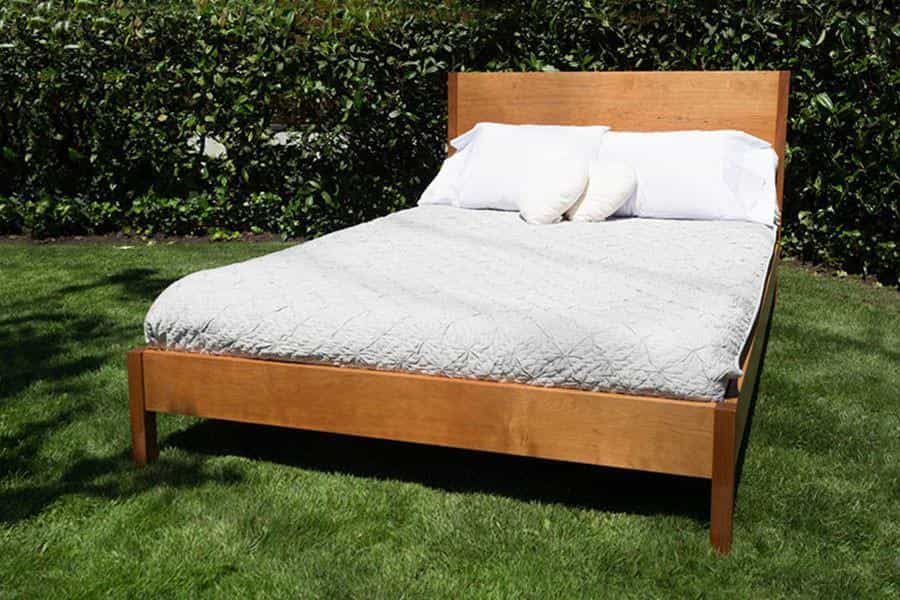
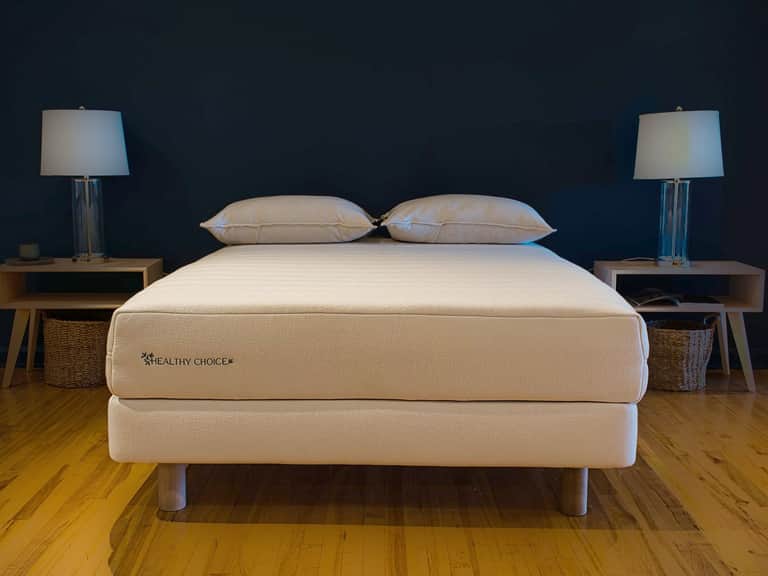
Organic Mattress - Latex 6.5”
GOLS-certified organic Dunlop latex core with felted organic wool and GOTS-certified cotton cover. Handmade in Washington state, this mattress anchors comfort in a robust, chemical-free construction that supports the body with durable, resilient latex. Breathable, chemical-free materials mean a hypoallergenic, durable mattress that remains comfortable over time, with proper ventilation and maintenance supporting long-term use.
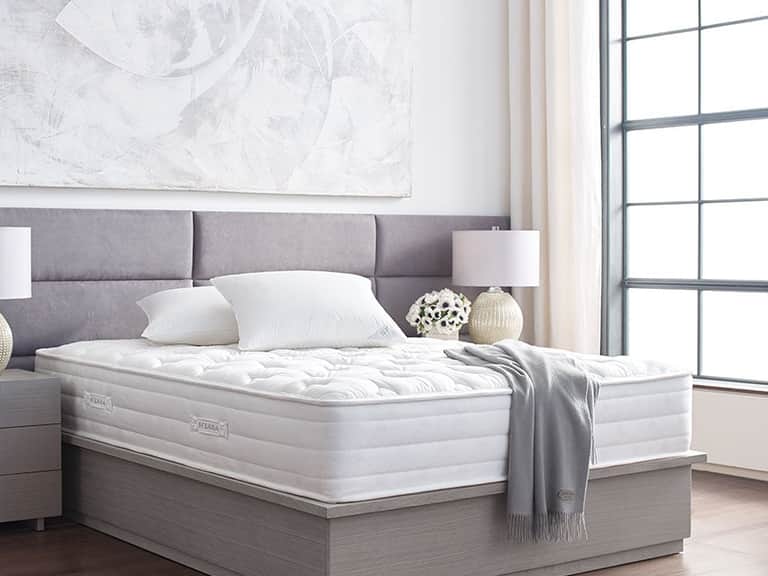
Aster Organic Dunlop Latex Mattress
The Aster 11" organic Dunlop latex mattress offers customization across layers, enabling a tailored sleeping surface. Encased in luxurious organic cotton with organic wool, this mattress emphasizes temperature regulation and a flame-retardant-free composition. It is a reminder that comfort and safety can coexist in a single sleep experience, especially when 100% GOLS-certified latex forms the core.
These examples illustrate two guiding principles: first, prioritize materials with transparent certifications and non-toxic finishes; second, value ventilation and temperature regulation as part of hygiene. A mattress that breathes is less likely to harbor odors, mold, and moisture buildup—factors that not only affect comfort but health over time.
Hygiene Routines: Practical Steps for a Clean Sleep Environment
- Bedding cadence: Change and wash sheets weekly in warmer months and every two weeks in cooler seasons. Use hot water when possible to reduce microbial load, and consider natural, fragrance-free detergents to minimize chemical exposure near the sleeping area.
- Mattress care: Use a hypoallergenic mattress protector to guard against spills, sweat, and dust mites. Vacuum the mattress surface gently with a nozzle attachment every one to two months, and rotate or flip the mattress within manufacturer guidelines to promote even wear.
- Ventilation: Keep the sleeping space airy. Open windows when weather permits, or use a high-quality air purifier with a true HEPA filter to reduce dust and allergens circulating in the room.
- Humidity control: Aim for moderate humidity to prevent mold growth. A dehumidifier in damp climates or during rainy seasons can safeguard the mattress microclimate.
- Product literacy: Read certifications, avoid flame retardants based on phthalates or halogenated compounds, and favor products with transparent material disclosures. A non-commercial stance means presenting credible sources, not endorsing a particular brand for profit.
Myth-Busting: Common Beliefs About Cleanliness and Sleep
Myth: A clean-looking mattress is allergen-free. Reality: Allergens exist well below the surface and within the room’s ecology. Regular washing, proper ventilation, and non-toxic materials reduce exposure, but allergen avoidance is an ongoing practice, not a one-time fix.
Myth: Cleaning products alone will transform sleep quality. Reality: The sleep environment is a composite system—air quality, humidity, light exposure, and routine all contribute. Cleaning is essential, but it is part of a broader approach to sleep hygiene that includes consistent bedtimes, stress management, and a comfortable bed.
Myth: Any mattress labeled organic is automatically superior for everyone. Reality: Personal comfort, support needs, and sleeping position vary. An informed reader will consider certifications alongside a sample of materials, testing, and, if possible, a trial period or expert consultation to match a mattress to individual sleep goals.
A Non-Commercial Ethos: Transparent, Evidence-Informed Content
In the spirit of cleanmattress.org’s Direction B orientation, the article embraces a non-commercial, education-first stance. The goal is to demystify the sleep environment, not to push products. When product references appear, they serve as illustrative examples of materials and construction—an invitation for readers to scrutinize certifications, ask questions of manufacturers, and prioritize safety over trend.
The careful inclusion of material details, certifications, and practical care steps makes the piece navigable for newcomers and useful for seasoned readers alike. It is a reminder that a good night’s sleep is built on small, disciplined choices—an accumulation of honest information, thoughtful routines, and respect for one’s own body's needs.
Call to Action: A Starter Content Plan and A Simple Site Map
For a website like cleanmattress.org, a starter content plan could include a constellation of evergreen guides, seasonally aware checklists, and expert-backed Q&As. Here is a compact outline to get started:
- How to clean a mattress safely: materials-specific instructions (memory foam, innerspring, latex)
- How often to clean bedding and mattresses for allergies
- Creating a clean sleep environment: dust management, air quality, humidity
- Debunking myths: “clean = allergen-free” vs. practical hygiene
- Sleep hygiene 101: bedtime routines, consistent schedules, and environment optimization
- Seasonal mattress care: spring cleaning, post-winter care
A modest site map might include: About, Guides, Quick Tips, Seasonal Hub, Resources, and a Myth-Busters page. Each article would tie back to credible sources, offering citations and links to peer-reviewed sleep science when possible.
If you’d like, I can draft the initial 10-core-article plan with suggested headlines, outlines, and keyword themes tailored to cleanmattress.org, plus a basic sitemap and SEO notes.
Conclusion: The Quiet Promise of Clean Sleep
Cleanliness, in the end, is not about sterile perfection but about a steady, humane rhythm of care. It is the art of making a room feel safe enough to dream—an environment that respects the body, honors evidence, and invites curiosity. The mattress is the stage on which this daily drama unfolds. By marrying practical hygiene with sleep health and non-toxic materials, we do more than extend a mattress’s life—we protect the time spent between waking and waking again, the intimate arc of nights that shape our days.
In a world of constant consumption, a credible, non-commercial guide to clean sleep offers a rare kind of clarity: a beacon for readers who seek healthful habits without the glare of incessant marketing. That is the essence of cleanmattress.org’s mission—a quiet, ongoing education about how we rest, how we breathe, and how we live with the beds we call home.
Note: This article references certified, non-toxic materials as examples of best practices in mattress construction and care. Always consult product labels and independent certifications when evaluating bedding for your home.