Sleep health and bedding
Natural Hybrid Beds: How to Assess Healthy Choice Options
A mattress can be described as natural, supportive, breathable, or healthy, and still leave a shopper wondering what, precisely, is inside it. Natural hybrid beds combine materials with different jobs and different histories. Learning to read the construction—rather than relying on a reassuring adjective—can help you decide whether a Healthy Choice option fits your comfort preferences, care routine, and priorities for materials.
Published October 12, 2026
Mattress shopping has a way of turning ordinary questions into philosophical ones. What does “natural” mean when a bed contains several layers? How firm is firm? And can a mattress be both supportive and comfortable, or is that a compromise hidden inside the word “hybrid”? A person who begins by looking for a healthier sleep surface may find themselves comparing latex, wool, cotton, coils, foam, ticking, certifications, and care instructions, all while trying to remember what their own bed feels like at three in the morning.
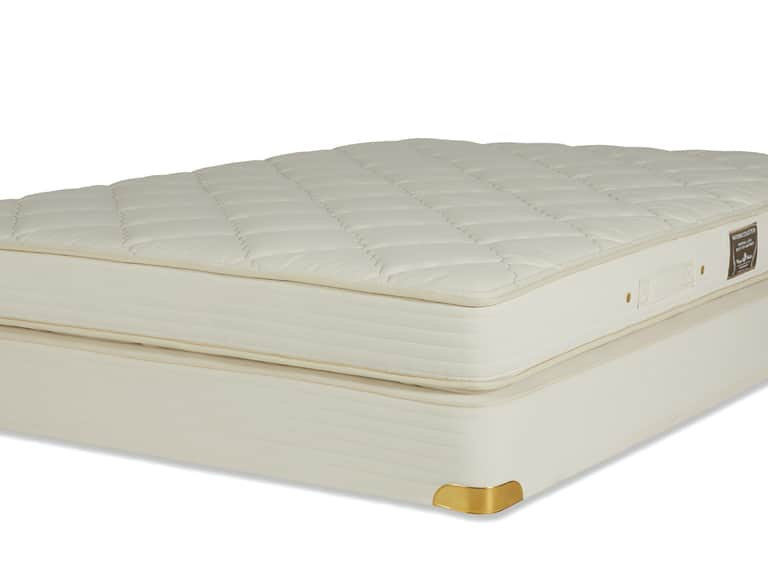
A natural hybrid mattress typically brings together two or more kinds of materials in a layered construction. The term “hybrid” often refers to a bed combining a spring or coil support system with comfort layers made from materials such as latex or foam. But usage varies. Some makers use the word more broadly for a mattress that pairs distinct materials or construction methods. “Natural,” meanwhile, is not a complete materials description, nor is it a single universal certification. Those terms can be useful starting points; neither tells the whole story.
When considering Healthy Choice options, the practical task is to find out what the bed is made of, how its layers are arranged, what care it requires, and how its feel might suit your body and sleep habits. A thoughtfully chosen mattress will not guarantee better health or cure a sleep problem. It can, however, contribute to a sleep environment that feels comfortable, is manageable to maintain, and aligns with your material preferences.
Begin with the construction, not the label
Ask for a layer-by-layer description. A useful specification identifies the support core, comfort layers, quilting or surface materials, and cover. If the bed has coils, ask whether they are pocketed, connected, or arranged in another way; if it uses latex, ask whether the material is natural, synthetic, or blended. The same applies to wool, cotton, and other fibers. A phrase such as “natural comfort layer” is less informative than a direct account of its material and location.
Layer order matters. A mattress with a spring core and a latex comfort layer may feel different from one with a thick wool quilt above the same kind of core. A surface layer can affect initial softness, heat and moisture handling, and how readily the sleeper feels the support beneath it. Two beds that list similar ingredients may still differ because of layer thickness, density, quilting, coil design, and the way the components are joined.
It is reasonable to ask for measurements where available. How thick is each layer? Is the comfort material used across the whole mattress or only in particular zones? Is the cover removable? Are the materials glued, stitched, tufted, or otherwise secured? Not every manufacturer will disclose every manufacturing detail, but clear answers make comparison easier. If specifications are vague, treat that as a reason to ask more—not as proof of a problem, but not as a substitute for information either.
The word “natural” deserves the same careful attention. It may describe one ingredient rather than the entire mattress. A bed can contain natural latex or wool alongside other materials, finishes, adhesives, or components. Look for the exact material names and any available disclosure about processing. For shoppers who value particular ingredients or wish to avoid certain substances, the relevant question is not simply whether the mattress is natural; it is whether the product’s documented composition meets their own criteria.
Understand what certifications do—and do not—say
Certifications can make materials information more legible, but they are not interchangeable, and one mark rarely answers every question a shopper might have. Some programs assess textile or fiber production; others test for specified substances or address particular stages of a supply chain. The scope depends on the certifying organization, the standard, the product or component covered, and the version of the standard in force.
Ask which parts of the mattress are certified: the finished product, its fabric, a fiber, or a particular component. Check the certificate or product documentation, rather than assuming that a certification mentioned in general marketing applies to every layer. It can also help to distinguish an independently verified certification from a broad claim that has no named standard or supporting documentation.
For example, textile certifications may relate to processing or testing requirements, while organic certifications have defined scopes and rules that should be confirmed with the issuing program. Neither label automatically means that a mattress is universally safe for every person or that it will improve sleep. Certification is best understood as evidence about specified criteria—not a blanket endorsement of a product’s comfort, durability, or health effects.
When you encounter a claim such as “chemical-free,” pause over its meaning. All materials are made of chemicals in the scientific sense, and product language may use the phrase more casually to imply that certain substances are absent. Ask which substances or treatments the claim refers to and how the statement is verified. Specific, documented information is more useful than an absolute-sounding slogan.
Match firmness and support to your own sleep
Firmness is not a universal measurement. It is a description of how a surface feels to a particular sleeper, and it can be influenced by body shape, body weight, sleep position, the bed base, and even the bedding placed on top. One person’s comfortably yielding mattress may feel too soft to someone else. A label such as “medium” offers a rough point of comparison, not a promise that the mattress will feel identical in every bedroom.
Think first about how you sleep most often. Side sleepers commonly look for enough cushioning at the shoulder and hip to reduce pressure, while also wanting the body to feel supported rather than suspended in a deep dip. Back sleepers may prefer a surface that supports the torso without creating an uncomfortable hollow at the lower back. Stomach sleepers often pay close attention to whether the middle of the body sinks more than they find comfortable. These are general considerations, not prescriptions; individual comfort varies.
Support and softness are related, but they are not the same thing. A mattress can have a cushioned top and a stable support core, or it can feel firm at the surface while still compressing unevenly beneath particular areas. When testing a bed, spend more than a minute on it. Lie in your usual position, relax your muscles, and notice whether you feel pressure, strain, or a sense that you need to keep shifting. If you share a bed, test it together when possible and consider how movement on one side affects the other.
A mattress should also be assessed with its intended foundation. A flexible slat base, a solid platform, and a traditional spring foundation may change how a mattress feels or performs. Confirm the maker’s requirements for spacing, support, and compatibility. An unsuitable base can compromise comfort and may affect warranty terms, so it belongs in the decision rather than being treated as an afterthought.
Consider temperature, moisture, and the room around the bed
Sleep comfort is partly a matter of the small climate between the sleeper and the bedding. Materials can differ in how they hold warmth, move air, and manage moisture, but no ingredient guarantees that every person will sleep cool. Room temperature, humidity, pajamas, sheets, protectors, and personal preferences all play a part. A mattress described as breathable may still feel warm to someone who prefers a very cool surface.
Ask how the mattress’s layers and cover are intended to work together. Natural fibers such as cotton and wool may be selected for particular textile qualities, while latex and coil constructions have their own characteristics. Yet performance depends on the whole assembly, including quilting and any protector placed over the bed. A thick or waterproof cover, for instance, may change the feel and airflow of the surface. If temperature is a major concern, evaluate the mattress in the context of the bedding you actually use.
Moisture management is also part of hygiene. A mattress cover or protector can help limit contact with spills, perspiration, and everyday soiling, but it should fit securely and be cared for according to its label. Breathable and waterproof are not mutually exclusive terms, but the balance differs across designs. Consider what you need most: protection from liquid, a quiet surface, easy laundering, or minimal change to the mattress’s feel. Then check the care instructions before buying.
Read the care instructions before you commit
A mattress is not usually something to put in a washing machine. Covers may be removable or fixed; some materials call for spot cleaning only, while others have specific airing or rotation guidance. Ask what happens if there is a spill, whether the cover can be washed, and which cleaners should be avoided. Strong solvents, excess moisture, or unapproved cleaning methods can damage materials and may conflict with the manufacturer’s instructions.
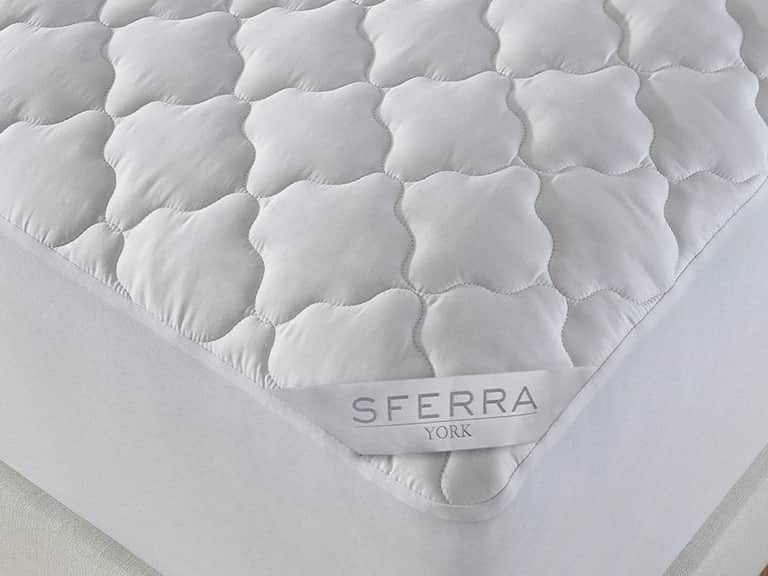
A washable mattress pad can make routine care simpler, but it is a separate layer, not a reason to ignore the mattress’s own maintenance requirements. Check that the pad fits the mattress depth, can be laundered in your machine, and will not make the bed uncomfortably warm or change its surface feel. For any bedding component, follow its care label rather than assuming that natural fibers all require the same treatment.
Ask whether the mattress should be rotated, and if so, how often. Not every design is flippable; some have a designated sleeping side, while others may permit rotation but not flipping. Moving a heavy mattress can be awkward, so realistic care guidance matters. A plan that is easy to follow is more useful than an ambitious maintenance schedule that no one can carry out.
Also ask about expected changes over time. Comfort materials may settle with use, and the degree and character of that change depend on construction and conditions. A manufacturer should distinguish ordinary impressions or material settling from a defect covered by the warranty. Request the warranty terms in writing, including what counts as a claim, what documentation is needed, and whether the support foundation has specified requirements.
Think beyond the first night
There is a familiar temptation in mattress shopping to imagine that the first impression is the final verdict. It is not always. A surface can feel strikingly different from the bed a person has used for years, and adapting to a new mattress may take time. At the same time, a generous trial period is only useful if its terms are clear. Find out how long the trial lasts, when it begins, whether there is a required break-in period, and what fees or conditions apply to a return.
Durability is similarly difficult to infer from a materials list alone. Ask what the maker says about the expected service life, what the warranty covers, and what kinds of wear are excluded. A longer warranty does not necessarily mean a longer useful life, and it may cover manufacturing defects rather than comfort changes. The policy’s details matter more than the most impressive number in the headline.
Consider the practical circumstances of your home, too. Will the mattress fit through stairways and doorways? Does delivery include setup or removal of the old bed? Is the mattress compatible with an adjustable base, if you use one? What happens if you move? A carefully selected bed that cannot be installed easily is an avoidable source of household drama.
For shoppers thinking about environmental impact, look for specific information about material sourcing, manufacturing, packaging, and end-of-life options. “Eco-friendly” is broad; a meaningful comparison asks which impact is being addressed and how the claim is supported. Durability and repairability can matter alongside ingredient sourcing. There is no single label that resolves every environmental question, so it is sensible to compare the evidence available and decide which considerations matter most to you.
A practical checklist for Healthy Choice options
Before deciding, gather the answers to a short set of questions. If a seller or manufacturer cannot answer them immediately, ask where the information is documented. The aim is not to turn a mattress purchase into an investigation; it is to make sure the description is concrete enough to compare.
- What is in each layer? Request material names, layer order, and thickness where available.
- What does “natural” mean here? Identify which components are natural and whether any are blended or processed.
- Which certifications apply? Confirm the certifier, the standard, and the exact component or finished product covered.
- How does the mattress feel? Compare firmness and pressure relief in your usual sleep position, not by label alone.
- What foundation is required? Check base compatibility, slat spacing, and any warranty conditions.
- How should it be cared for? Review cleaning, rotation, airing, and spill guidance before purchase.
- What are the trial and warranty terms? Read the actual policy for time limits, exclusions, fees, and claim requirements.
- How will it fit your room and routine? Consider delivery, setup, disposal, and the bedding you plan to use.
As you compare, keep a simple record of the answers. A table with columns for materials, certifications, firmness, care, trial terms, and cost can be more revealing than a dozen browser tabs. It also helps separate things you can verify—such as a listed layer or policy—from things you can only judge through experience, such as comfort.
Natural does not mean identical, and healthy is not a promise
Words like “clean,” “healthy,” and “natural” have an appealing plainness. They suggest an uncomplicated choice in a category that can feel anything but simple. But a natural hybrid mattress is still a designed object: its materials are selected, processed, combined, and finished in particular ways. A healthy choice is therefore less a special product category than a decision made with clear information and realistic expectations.
For most people, the relevant questions are practical. Does the mattress feel comfortable in the positions in which you sleep? Does its construction make sense to you? Can you maintain it? Are the product claims specific enough to verify? Does it fit your budget and your household’s needs? A mattress cannot replace medical care, and general bedding guidance should not be treated as treatment for pain, allergies, or sleep disorders. If persistent symptoms interfere with sleep, a qualified health professional is the appropriate person to consult.
There is also no need to pursue perfection. No mattress can promise an immaculate sleep environment, universal comfort, or a life free from allergens. Regular bedding care, sensible room maintenance, and a mattress that suits your needs are more grounded aims. The bed is one part of the sleeping environment, not a verdict on anyone’s housekeeping or health.
A calmer way to choose
The best way to assess Healthy Choice options is to move from broad claims to specific questions, then from specifications to your own experience. Start with the materials and construction. Verify certifications in their proper scope. Consider firmness, sleeping position, temperature preferences, and the foundation beneath the mattress. Read the care and warranty terms before the decision becomes emotional—which, in the peculiar theater of mattress shopping, can happen sooner than expected.
Natural hybrid beds can offer a considered combination of support and comfort materials, but the category contains many different designs. One sleeper may value a particular fiber or a clearly documented supply chain; another may place greater importance on pressure relief, ease of care, or a long trial period. Those priorities need not be identical. The useful choice is the one whose materials are understandable, whose feel is suitable, and whose responsibilities after purchase are clear.
At the end, a mattress is not a moral achievement. It is a piece of equipment for rest, made of materials that should be described honestly and chosen with care. If the specifications answer your questions, the bed feels right when you test it, and the policies stand up to a close reading, you have done the essential work. The remaining question is pleasantly ordinary: whether you sleep well on it.